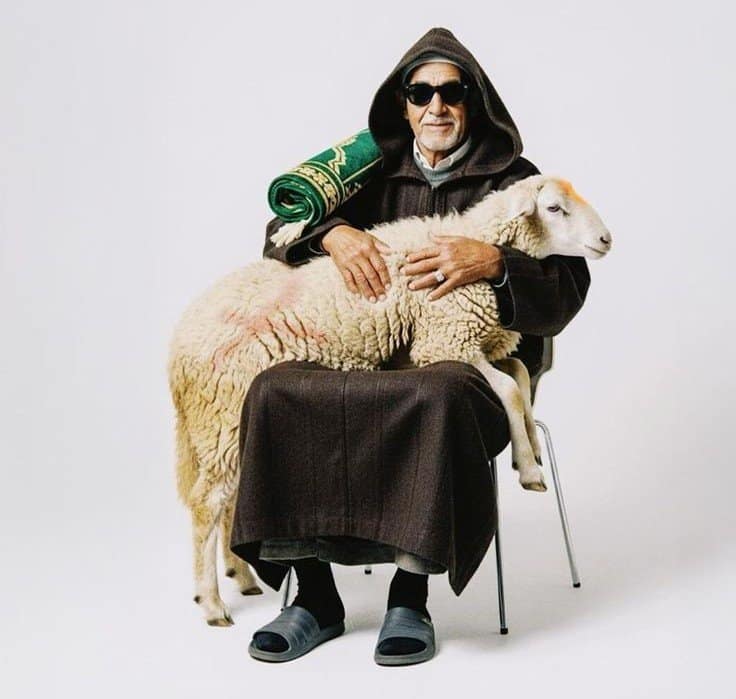
Every year, millions of Muslims around the world celebrate Eid al-Adha, one of the most important Islamic holidays. In Morocco, Eid al-Adha is more than a religious occasion — it is a deeply rooted cultural celebration that brings together family traditions, delicious Moroccan cuisine, spirituality, and hospitality.
Known locally as “Eid Kebir” (The Big Eid), Eid al-Adha in Morocco transforms cities, villages, and homes into vibrant spaces filled with prayer, preparation, and celebration. For travelers visiting Morocco during this special time, the holiday offers a unique opportunity to experience authentic Moroccan culture firsthand.
What Is Eid al-Adha?
Eid al-Adha, also called the “Festival of Sacrifice,” commemorates the devotion of Prophet Ibrahim (Abraham), who was willing to sacrifice his son in obedience to God’s command. Before the sacrifice took place, God provided a ram instead.
To honor this story, Muslim families around the world sacrifice a sheep, goat, or other livestock and share the meat with family members, neighbors, and people in need.
In Morocco, this religious tradition carries immense spiritual and social significance. The holiday emphasizes generosity, family unity, gratitude, and compassion.
When Is Eid al-Adha Celebrated in Morocco?
The date of Eid al-Adha changes every year because it follows the Islamic lunar calendar. The celebration usually lasts for two to three days, although preparations begin weeks earlier across Morocco.
Markets become crowded with families shopping for sheep, spices, clothing, sweets, and household items. The atmosphere is festive and energetic, especially in major Moroccan cities such as Marrakech, Fes, Casablanca, and Tangier.
Preparations Before Eid al-Adha
In Morocco, preparations for Eid al-Adha are an important part of the celebration itself.
Families thoroughly clean their homes, purchase new clothes, and prepare traditional cooking equipment. Moroccan souks and livestock markets become especially busy as families search for the perfect sheep for the sacrifice.
Sheep Markets Across Morocco
Temporary sheep markets appear throughout the country before Eid. Farmers travel from rural areas to urban centers to sell livestock. Buyers carefully inspect sheep based on health, size, and breed.
The atmosphere in these markets is lively and colorful, with bargaining, social interaction, and traditional Moroccan hospitality on full display.
Eid Morning in Morocco
The first day of Eid begins early with a special communal prayer held in mosques and open prayer grounds.
Men, women, and children dress in traditional Moroccan clothing, including djellabas, gandouras, kaftans, and babouches. Streets become filled with families greeting one another with phrases like “Eid Mubarak.”
After the prayer, families return home to begin the sacrifice ritual according to Islamic traditions.
The Sacrifice Tradition
The sacrifice is usually performed by the head of the household or a trained butcher. The meat is divided into portions for family, relatives, and charitable distribution.
In Morocco, sharing food during Eid is considered an essential act of generosity and community support.
Although the sacrifice is central to the holiday, the spirit of Eid al-Adha focuses on faith, gratitude, and helping others.
Traditional Moroccan Food During Eid al-Adha
Moroccan cuisine plays a major role during Eid celebrations. Families prepare rich and flavorful dishes using fresh meat and traditional spices.
Some of the most popular Moroccan Eid dishes include:
Mechoui
Mechoui is slow-roasted lamb seasoned with cumin, salt, and Moroccan spices. The meat becomes incredibly tender and is often served with fresh bread and mint tea.
Boulfaf
Boulfaf is one of the first dishes prepared after the sacrifice. It consists of grilled liver wrapped in caul fat and cooked over charcoal.
Moroccan Tagine
Tagines made with lamb, prunes, almonds, olives, or vegetables are common during Eid gatherings.
Couscous
Traditional Moroccan couscous is often served during family lunches on the second day of Eid.
Mint Tea and Moroccan Sweets
No Moroccan celebration is complete without sweet mint tea, chebakia, gazelle horns, and other traditional pastries.
Family Gatherings and Social Traditions
Eid al-Adha in Morocco is strongly centered around family and community connections.
Relatives travel long distances to gather together. Homes remain open for guests throughout the day, and visitors are welcomed with tea, sweets, and large meals.
Children often receive gifts, money, or new clothing during Eid celebrations. The atmosphere is warm, joyful, and deeply social.
For many Moroccans living abroad, returning home during Eid is an emotional and meaningful experience.
What Tourists Should Expect During Eid al-Adha in Morocco
Visiting Morocco during Eid al-Adha can be a memorable cultural experience, but travelers should also be prepared for temporary changes in daily life.
Businesses and Shops May Close
Many restaurants, banks, shops, and local businesses close during the first days of Eid. Major tourist areas usually remain partially operational, but services may be limited.
Transportation Can Be Busy
Bus stations, trains, and highways become crowded before the holiday as families travel to their hometowns.
A Unique Cultural Experience
Despite closures, Eid offers visitors a rare chance to witness authentic Moroccan traditions and family life.
Tourists may hear takbirs (religious chants), see families dressed in traditional clothing, and experience the festive atmosphere across the country.
Best Places to Experience Eid al-Adha in Morocco
Several Moroccan destinations offer memorable experiences during Eid celebrations.
Marrakech
Marrakech combines traditional celebrations with vibrant souks, riads, and cultural experiences. The city becomes especially lively before Eid.
Fes
Fes offers one of the most authentic cultural atmospheres in Morocco. Its historic medina reflects centuries-old Moroccan traditions.
Chefchaouen
The famous blue city provides a peaceful and photogenic setting during the holiday period.
Tangier
Tangier combines Mediterranean charm with Moroccan traditions and is an excellent gateway for northern Morocco tours.
Merzouga Desert
Celebrating Eid near the Sahara Desert offers a unique opportunity to experience Berber hospitality and desert culture.
Moroccan Hospitality During Eid
Hospitality is one of the defining aspects of Moroccan culture, and Eid al-Adha highlights this tradition beautifully.
Guests are often invited to share meals even if they are strangers or travelers. Moroccan families take pride in generosity and welcoming visitors into their homes.
For tourists, this can become one of the most unforgettable parts of traveling in Morocco during Eid.
Tips for Traveling to Morocco During Eid al-Adha
If you plan to visit Morocco during Eid, consider the following travel tips:
- Book hotels and transportation in advance
- Expect some restaurants and shops to close temporarily
- Respect local customs and religious traditions
- Dress modestly when visiting public areas
- Ask permission before photographing people or religious activities
- Enjoy the slower pace and family atmosphere
Travelers who embrace the cultural experience often discover a deeper and more authentic side of Morocco.
Why Eid al-Adha Is Special in Morocco
What makes Eid al-Adha in Morocco unique is the combination of spirituality, culture, food, family values, and hospitality.
The holiday reflects the heart of Moroccan society — generosity, togetherness, and respect for tradition.
Whether exploring ancient medinas, sharing mint tea with locals, or witnessing the celebrations in the streets, visitors quickly understand why Eid is one of the most meaningful times of the year in Morocco.
Final Thoughts
Eid al-Adha in Morocco is far more than a religious festival. It is a powerful cultural experience that brings families and communities together through faith, generosity, and tradition.
From bustling sheep markets and traditional Moroccan cuisine to family gatherings and Sahara Desert celebrations, Eid offers travelers a rare glimpse into authentic Moroccan life.
For anyone planning a cultural journey through Morocco, experiencing Eid al-Adha can become one of the most memorable moments of their trip.